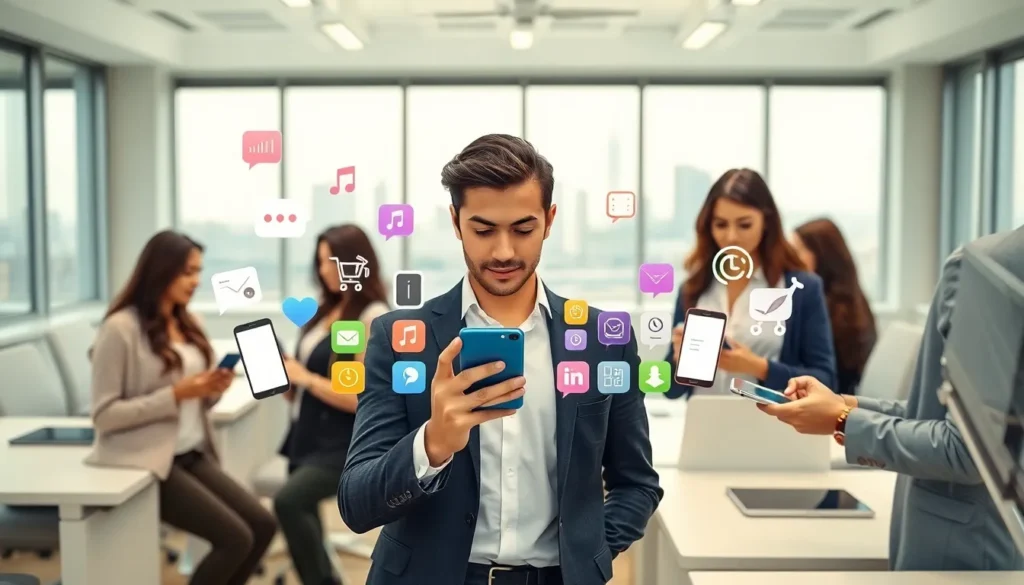
What is an app? This question crosses the minds of millions of new smartphone users every day. An app, short for application, is a software program designed to perform specific tasks on a device. Apps run on smartphones, tablets, computers, and even smart TVs. They help people communicate, work, play games, and manage daily tasks. This guide explains what apps are, how they work, and why they matter in modern life. Whether someone is buying their first smartphone or simply wants to understand technology better, this article provides clear answers.
Key Takeaways
- An app is a software program designed to perform specific tasks on smartphones, tablets, computers, and smart TVs.
- Apps come in three main types: native apps (built for one platform), web apps (browser-based), and hybrid apps (cross-platform).
- Popular app categories include communication, social media, productivity, entertainment, health, finance, and shopping.
- Download apps safely from official stores like the Apple App Store or Google Play Store to avoid malware.
- Apps range from simple tools like flashlights to complex programs like video editors, all designed to make daily tasks easier.
- Keep your apps updated regularly for better security, new features, and improved performance.
Understanding the Definition of an App
An app is a piece of software built for a specific purpose. The term “app” became popular with the rise of smartphones, particularly after Apple launched the App Store in 2008. Before that, people mostly used the word “application” or “program” to describe software on computers.
Apps differ from system software like operating systems. System software runs the device itself. Apps, on the other hand, let users complete particular tasks. A calculator app performs math. A weather app shows forecasts. A messaging app sends texts.
The definition of an app also includes desktop applications. Microsoft Word is an app. So is Photoshop. But, most people today think of mobile apps first when they hear the word.
Every app needs an operating system to function. iOS apps run on iPhones and iPads. Android apps work on Samsung, Google Pixel, and other Android devices. Some apps exist on multiple platforms, while others stay exclusive to one.
Apps range from simple to complex. A flashlight app contains minimal code. A video editing app requires thousands of lines of programming. Both qualify as apps because they serve users with dedicated functions.
Developers create apps using programming languages like Swift, Kotlin, JavaScript, and Python. They submit finished apps to stores like Google Play or the Apple App Store. Users then download and install these apps on their devices.
Types of Apps and How They Work
Apps come in several distinct categories based on how developers build them and how users access them. Understanding these types helps people choose the right app for their needs.
Native Apps vs. Web Apps vs. Hybrid Apps
Native apps are built specifically for one operating system. An iOS native app only works on Apple devices. An Android native app only runs on Android devices. Native apps offer the best performance because they use the device’s hardware directly. They access cameras, GPS, microphones, and other features without barriers. Popular native apps include Instagram, Spotify, and banking applications.
Native apps require downloading from an app store. They take up storage space on the device. But, many work offline once installed.
Web apps run inside a web browser. Users don’t download web apps from a store. Instead, they visit a website that functions like an app. Google Docs is a web app. So is Canva when accessed through a browser. Web apps update automatically since they live on servers, not devices.
Web apps require an internet connection to function. They can’t fully access device features like cameras or contacts. But they work on any device with a modern browser.
Hybrid apps combine elements of both native and web apps. Developers write hybrid apps once and deploy them across multiple platforms. This approach saves time and money. Uber and Twitter use hybrid technology for some features.
Hybrid apps download from app stores like native apps. They can access most device features. Performance falls between native and web apps, good but not optimal.
Each app type serves different purposes. Gaming apps benefit from native development. Simple business tools work well as web apps. Startups often choose hybrid apps to reach more users quickly.
Common Uses of Apps in Everyday Life
Apps touch nearly every part of modern daily routines. People use apps from the moment they wake up until they go to sleep.
Communication stands as the most popular app category. WhatsApp, Messenger, and iMessage connect billions of people worldwide. Video calling apps like Zoom and FaceTime let users see loved ones across continents. Email apps keep professionals connected to work.
Social media apps dominate screen time for many users. Facebook, Instagram, TikTok, and X (formerly Twitter) let people share updates and follow others. These apps shape how humans interact and consume information.
Productivity apps help people work smarter. Google Calendar manages schedules. Notion organizes notes. Slack coordinates team projects. Many workers rely on apps more than traditional software.
Entertainment apps provide music, movies, and games. Spotify and Apple Music stream songs. Netflix and YouTube deliver video content. Mobile games like Candy Crush and PUBG attract millions of daily players.
Health and fitness apps track exercise and wellness. Apps like MyFitnessPal log food intake. Strava records runs and bike rides. Meditation apps such as Headspace guide users through breathing exercises.
Financial apps let people manage money from their phones. Banking apps check balances and transfer funds. Venmo and PayPal send payments instantly. Investment apps like Robinhood make trading accessible.
Shopping apps changed retail forever. Amazon, eBay, and Walmart apps let users browse and buy products in minutes. Food delivery apps like DoorDash and Uber Eats bring restaurant meals to doorsteps.
Apps simplify tasks that once required physical presence or specialized equipment. They put powerful tools in everyone’s pocket.
How to Download and Install Apps
Getting apps onto a device takes just a few simple steps. The process varies slightly between operating systems, but the basics remain the same.
For iPhone and iPad users:
- Open the App Store (blue icon with an “A”)
- Search for the desired app by name or browse categories
- Tap the “Get” button for free apps or the price for paid apps
- Confirm with Face ID, Touch ID, or Apple ID password
- Wait for the app to download and install automatically
For Android users:
- Open the Google Play Store
- Use the search bar to find specific apps
- Tap “Install” for free apps or complete purchase for paid apps
- Accept any permission requests
- The app appears on the home screen or app drawer
Some apps require an account after installation. Users create profiles with email addresses and passwords. Social apps often ask for phone number verification.
Updating apps keeps them secure and adds new features. Both iOS and Android offer automatic update settings. Users can also update apps manually through their respective stores.
Deleting apps frees up storage space. On iPhone, press and hold the app icon, then tap “Remove App.” On Android, go to Settings > Apps, select the app, and tap “Uninstall.”
Some apps cost money upfront. Others use a “freemium” model, free to download but with optional purchases inside. Subscription apps charge monthly or yearly fees for full access.
Users should download apps only from official stores. Third-party sources may contain malware or compromised software. Reading reviews before downloading helps avoid poorly made or deceptive apps.